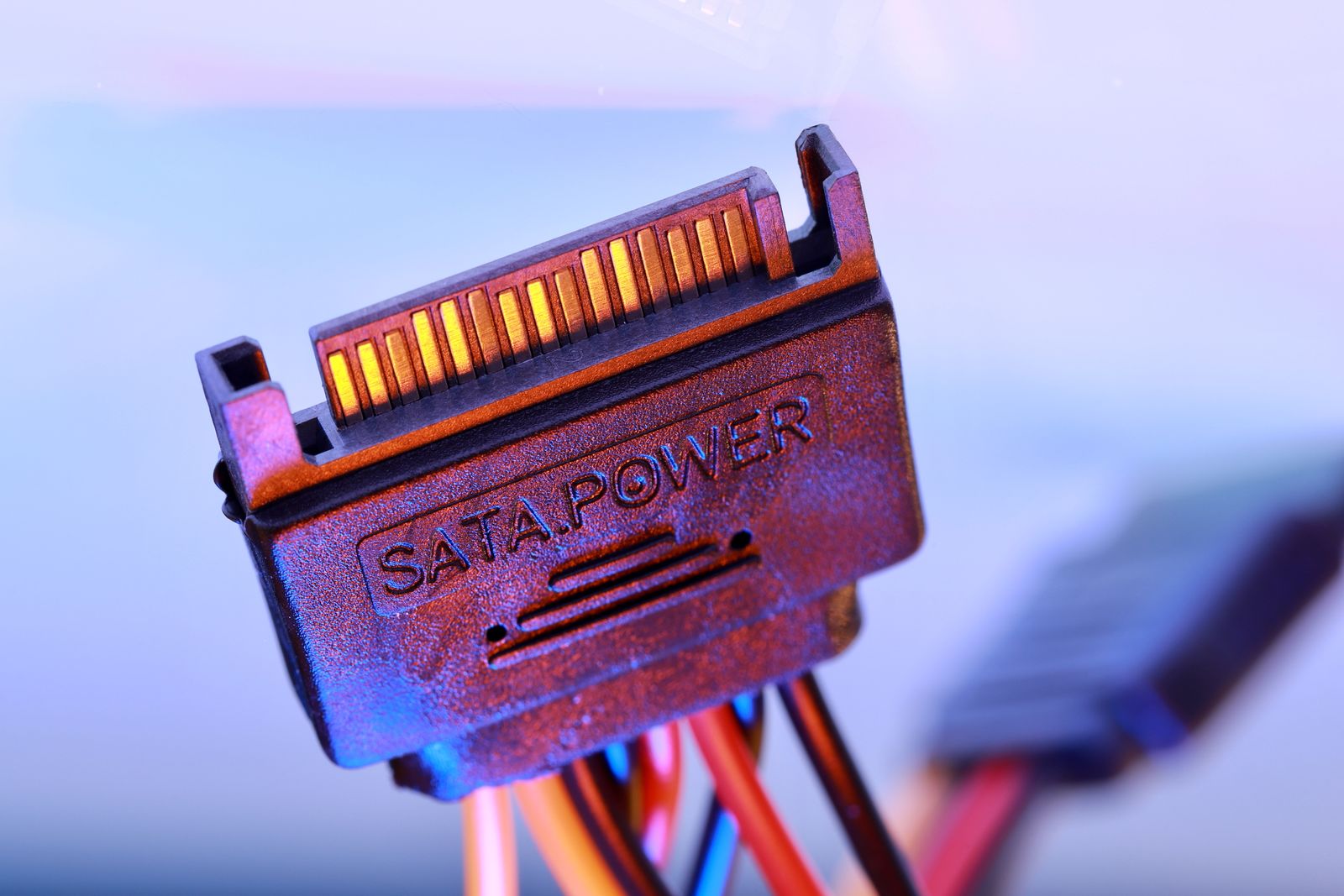
Customers making electrical appliances, connectors and circuit breakers often ask when requesting a quote: do I need "halogen-free flame retardant" or "red phosphorus flame retardant"? The two terms actually aren't on the same dimension. Once the concepts are clear, material selection becomes much simpler.
1. Red phosphorus is actually halogen-free too
"Halogen-free" means containing no halogens such as bromine or chlorine. Red phosphorus itself contains no halogens, so strictly speaking red phosphorus flame retardancy is also halogen-free. What the industry calls "halogen-free flame-retardant nylon" usually refers specifically to formulations using phosphorus-based (e.g. phosphinate) or nitrogen-based (e.g. melamine-type) flame retardants; to distinguish them from red phosphorus systems, the two are conventionally named separately.
2. Color: halogen-free can be light-colored, red phosphorus tends to be dark
Red phosphorus has an inherent reddish-brown color, so red phosphorus flame-retardant nylon can generally only be made in dark colors such as red and black. Nylon with phosphinate or nitrogen-based flame retardants can be made in natural, white or light gray, making color matching easy. It suits parts with color requirements on appearance, such as connectors and terminal blocks.
3. Flame retardancy and electrical properties
Both types can reach the common UL94 V-0 rating, depending on the formulation and thickness. In glass-filled PA66, red phosphorus systems are highly efficient, require low loading and retain mechanical properties well; phosphinate systems offer good electrical insulation and are commonly used where a Comparative Tracking Index (CTI) requirement applies.
4. Points to watch
For red phosphorus flame-retardant materials, long-term stability in high-temperature, high-humidity environments needs attention; raw material must be kept dry in storage, processing temperatures should not be too high and residence times should not be too long. Halogen-free flame-retardant materials are equally sensitive to processing temperature: excessive temperature easily causes decomposition and blooming, affecting appearance and the mold. Both types must be thoroughly dried before molding.
5. How to choose
1. Light, natural or custom colors needed: choose halogen-free flame retardant (phosphinate/nitrogen-based).
2. Dark-colored parts, glass-filled structural parts, cost-effectiveness: consider red phosphorus flame-retardant glass-filled PA66/PA6.
3. Clear environmental or certification requirements from the customer or end user: follow the end-user standard and first confirm whether red phosphorus systems are accepted.
4. Certified grades: if the end user requires a specific UL Yellow Card, select materials by the certified grade; they cannot be substituted at will.
RJF Plastics offers natural-color halogen-free flame-retardant PA66 and PA6 compounds, as well as red and black flame-retardant glass-filled compounds. Feel free to send us your flame-retardant rating, color and thickness requirements. The above is general information; actual certifications and properties are subject to the actual documentation.